
Confirm scope and approvals
What should be checked before releasing a demolition work area?
A work-area release is a practical check that the agreed removal boundary, access and outstanding decisions line up. It is not a substitute for a permit, professional assessment or a contractor's safety planning. Use it to expose unresolved dependencies before people and materials arrive.
SiteClear planning resources / Reviewed 8 October 2026
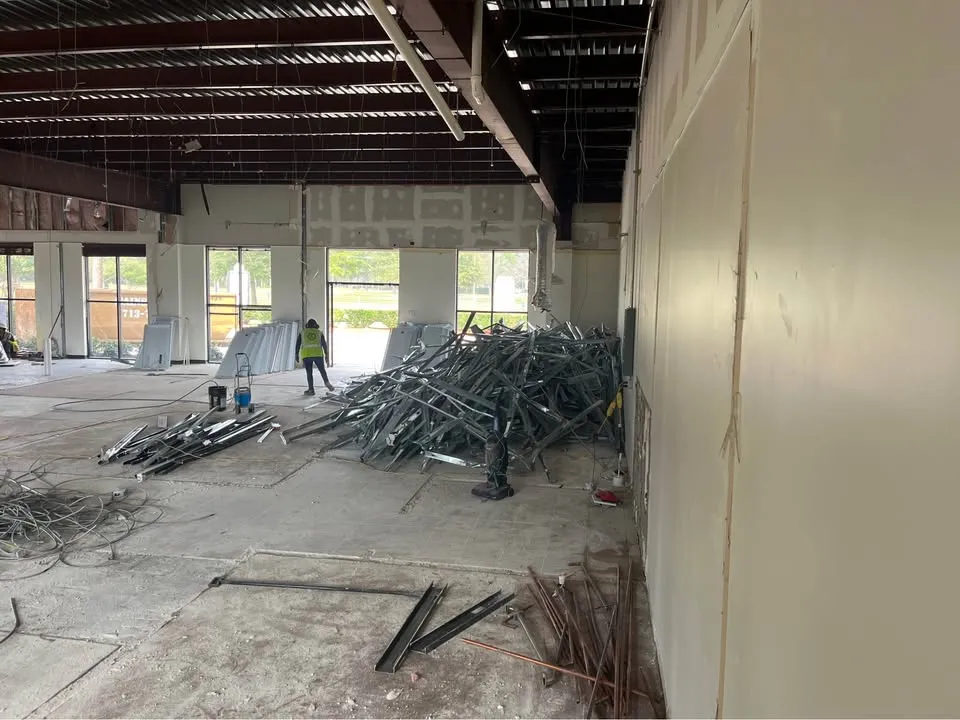
Check the same defined area
Identify the floor, suite and phase being released. Review the current scope, retained items, available material reports and instructions from responsible professionals. A building-wide approval may still leave a particular room unavailable. Record exceptions at room or component level so a general start instruction does not conceal a local hold.
Confirm the support arrangements
Check that management, security, the removal team and relevant trades understand the access window and handover point. Confirm the agreed debris route and who is available for decisions. A booked crew and an empty unit do not resolve a missing isolation instruction or an unavailable loading route. Ask the responsible party to close each gap.
Record release and hold separately
Use distinct entries for released work, held work and conditions that must be checked again. Name the person who can resolve each hold and how the updated instruction will reach the team. Revisit the release after a material change to scope or building operations. This creates a clear starting discussion for commercial strip-out planning without promising that a generic checklist authorises demolition.
Check the current source
Primary resources checked 8 October 2026. Requirements depend on the address and scope. Confirm changes with the responsible authority before work.
From planning to a written scope
Discuss the work at your property
Bring the available drawings, building instructions and removal list. These services explain the work SiteClear can assess:
Discuss this project